
When the stairs felt harder, mornings felt heavier, and playing with my granddaughter started feeling out of reach… I knew something had to change.
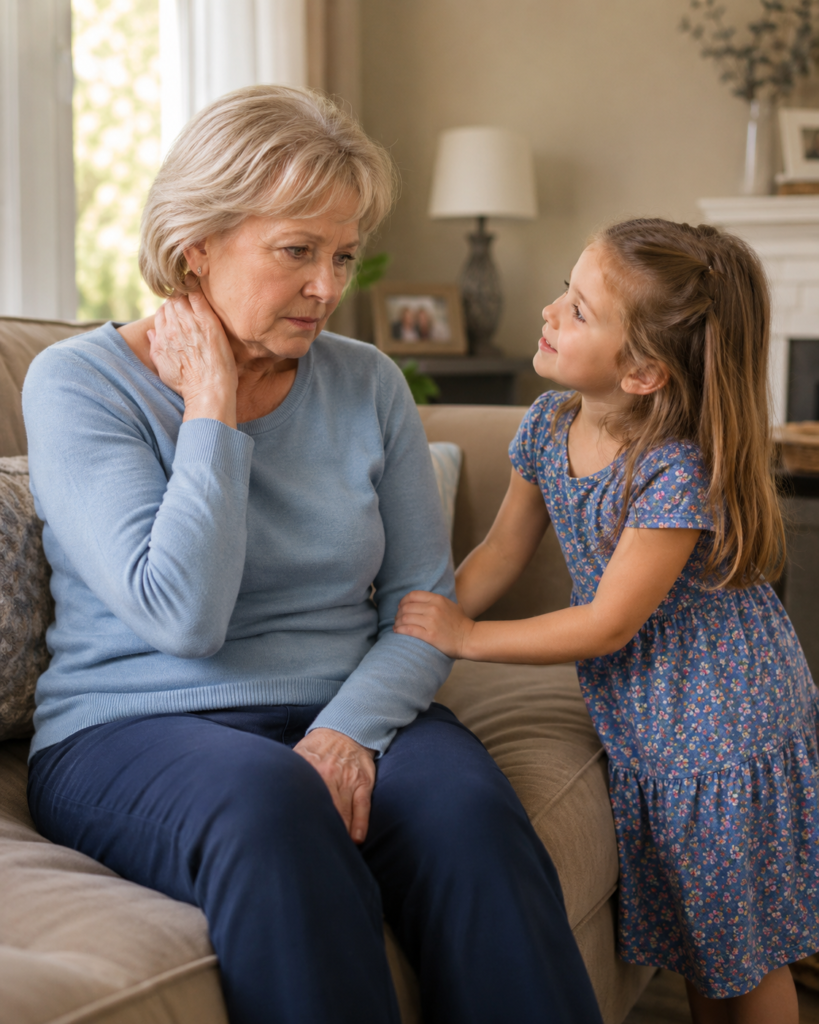
I didn’t notice it happening at first.
I still smiled.
I still showed up.
I still told everyone I was fine.
But little by little, I started moving differently.
I held the railing longer.
I sat down more carefully.
I avoided stairs when I could.
And when I stood up after sitting too long, I had to pause for a second before taking that first step.
At first, I told myself it was normal.
“Just getting older,” I thought.
But deep down, I hated that excuse.
Because I didn’t feel done.
I didn’t feel ready to slow down.
I still wanted to walk outside without thinking about every step.
I still wanted to go to family gatherings without looking for the nearest chair.
I still wanted to play with my granddaughter without wondering how hard it would be to get back up.
That was the part that hurt the most.
Not just the stiffness.
Not just the discomfort.
It was the way my life was quietly getting smaller.
The Moment I Couldn’t Ignore Anymore
One afternoon, my granddaughter looked up at me and asked,
“Grandma, can you come outside with me?”
I smiled right away.
Of course I wanted to.
But inside, I hesitated.
Not because I didn’t love her.
Not because I didn’t want to spend time with her.
But because I wasn’t sure how my body would feel after a few minutes.
Would my knees feel stiff?
Would I need to sit down?
Would I have to pretend I was tired when really, I was just afraid my body wouldn’t cooperate?
That tiny moment stayed with me.
Because it made me realize something painful.
I wasn’t just avoiding movement.
I was starting to avoid memories.
A walk in the park.
A few minutes in the garden.
Playing on the floor.
Taking the stairs without thinking.
These were not big things.
But they were life.
And I didn’t want to keep losing them one by one.
The short presentation explained a simple joint-support idea I hadn’t seen before — without extreme routines, intense workouts, or complicated steps.
I Tried to “Manage It”
I tried the usual things.
A cream here.
A stretch there.
A few little routines I hoped would make everything feel easier.
Some days felt okay.
Other days, I felt like I was right back where I started.
And every time something didn’t help the way I hoped, I felt a little more discouraged.
I didn’t want to live on temporary fixes.
I didn’t want to keep planning my day around what might hurt.
I didn’t want to keep saying “maybe later” when what I really meant was, “I’m afraid I can’t.”
I wanted to feel steady again.
Confident again.
Like myself again.
Then I came across a short presentation that talked about joint support in a way I hadn’t heard before.
It wasn’t about pushing harder.
It wasn’t about pretending discomfort didn’t exist.
And it wasn’t another complicated routine.
It explained a different way of looking at movement, comfort, flexibility, and the kind of internal support your body may need as you get older.
That got my attention.
Because by then, I wasn’t looking for hype.
I was looking for something that made sense.
So I watched.
The Moment I Realized Life Didn’t Have To Keep Shrinking
The presentation explained that many people think stiffness and slower movement are just unavoidable parts of aging.
But what if that is not the whole story?
What if the body needs a specific kind of support to keep movement feeling easier?
What if the reason some people seem to stay active longer is not just luck, genetics, or exercise?
That idea stayed with me.
Because I had been blaming myself.
I thought maybe I had waited too long.
Maybe I had let things go too far.
Maybe this was just what life was going to feel like now.
But for the first time in a while, I felt hopeful.
Not because someone promised a miracle.
But because the explanation felt simple enough to understand.
And more importantly…
it gave me a reason to believe my body might still be able to feel different.
The First Thing I Noticed Wasn’t Dramatic
It wasn’t some overnight movie moment.
It was smaller than that.
One morning, getting up felt a little easier.
Then I noticed I wasn’t thinking as much before taking the stairs.
Then I walked a little longer than usual without feeling so guarded.
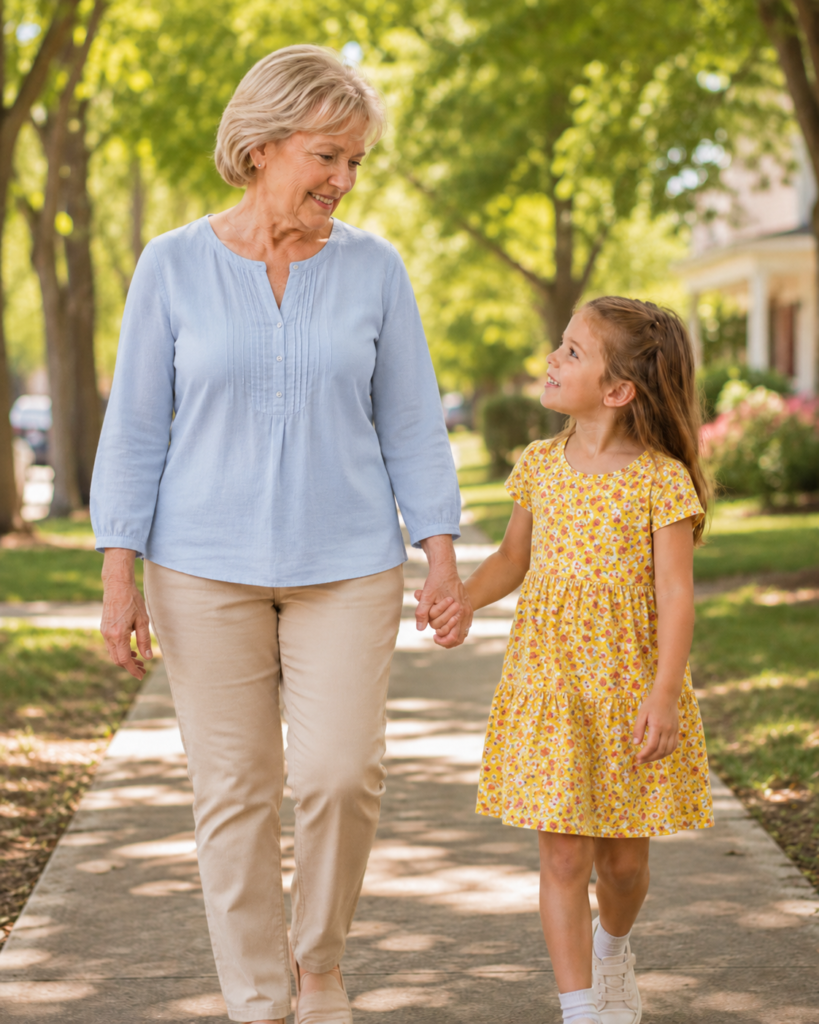
And one day, my granddaughter reached for my hand and pulled me toward the door.
This time, I didn’t pause.
I didn’t calculate how long I could stand.
I didn’t search for an excuse.
I just went.

That may sound small.
But when movement has been quietly controlling your choices, small moments feel huge.
Because it was never about running marathons.
It was about living without constantly negotiating with my body.
It was about walking without dread.
Standing without hesitation.
Enjoying time with my granddaughter without feeling like I had to sit life out from the sidelines.
That is what I wanted back.
Not perfection.
Just freedom.
If This Feels Familiar, Please Don’t Ignore It
If you have started holding the railing more often…
If mornings feel heavier than they used to…
If stairs, walks, errands, or simple daily movement have started feeling harder…
I understand.
And I also know how easy it is to tell yourself:
“This is just aging.”
But maybe that is not the full story.
Maybe your body needs a different kind of support.
Maybe there is still a path forward.
That is why I think this short presentation is worth watching.
It explains the joint support approach that caught my attention, and why so many people are starting to look at movement and aging differently.
You don’t need to decide anything right now.
Just watch the short presentation and see if it makes sense to you.
Because sometimes life does not get smaller all at once.
It happens one skipped walk, one avoided staircase, one “maybe later” at a time.
And sometimes one small step can help you start opening it back up again.
If stiffness, slower movement, or everyday discomfort has started taking little moments away from you, this may be worth a look.
👉 If This Feels Familiar, Take a Closer Look